The Reference photo
What to Consider When Choosing a Reference Photo
I can only draw what I see, and since I work with as much detail as possible, the quality of the reference photo is the foundation for the success of my work.
I often receive photos of animals in delightful poses, and I immediately understand why the owner chose that particular image. However, if the images are blurry, the lighting is poor, or the proportions are inconsistent, I cannot produce a satisfactory work. Especially with horse portraits, it can easily happen that the ratio of the head (too large) to the torso (too small) is unsatisfactory. The size of the animals means that the photographs are often taken from bottom
to top, rather than at eye level, creating a distorted overall image.
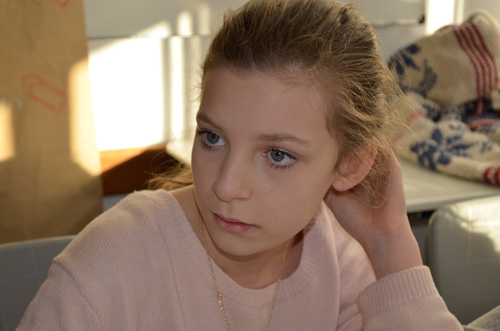
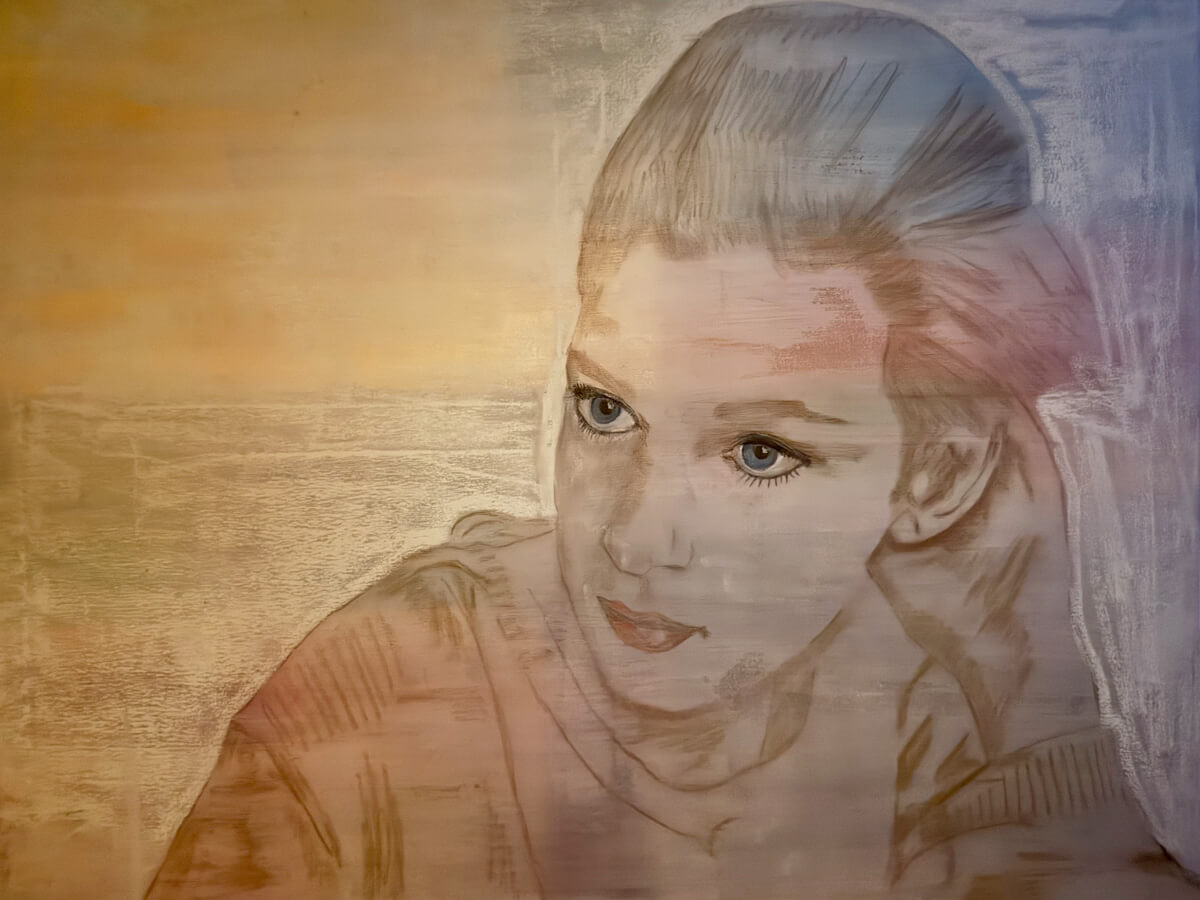
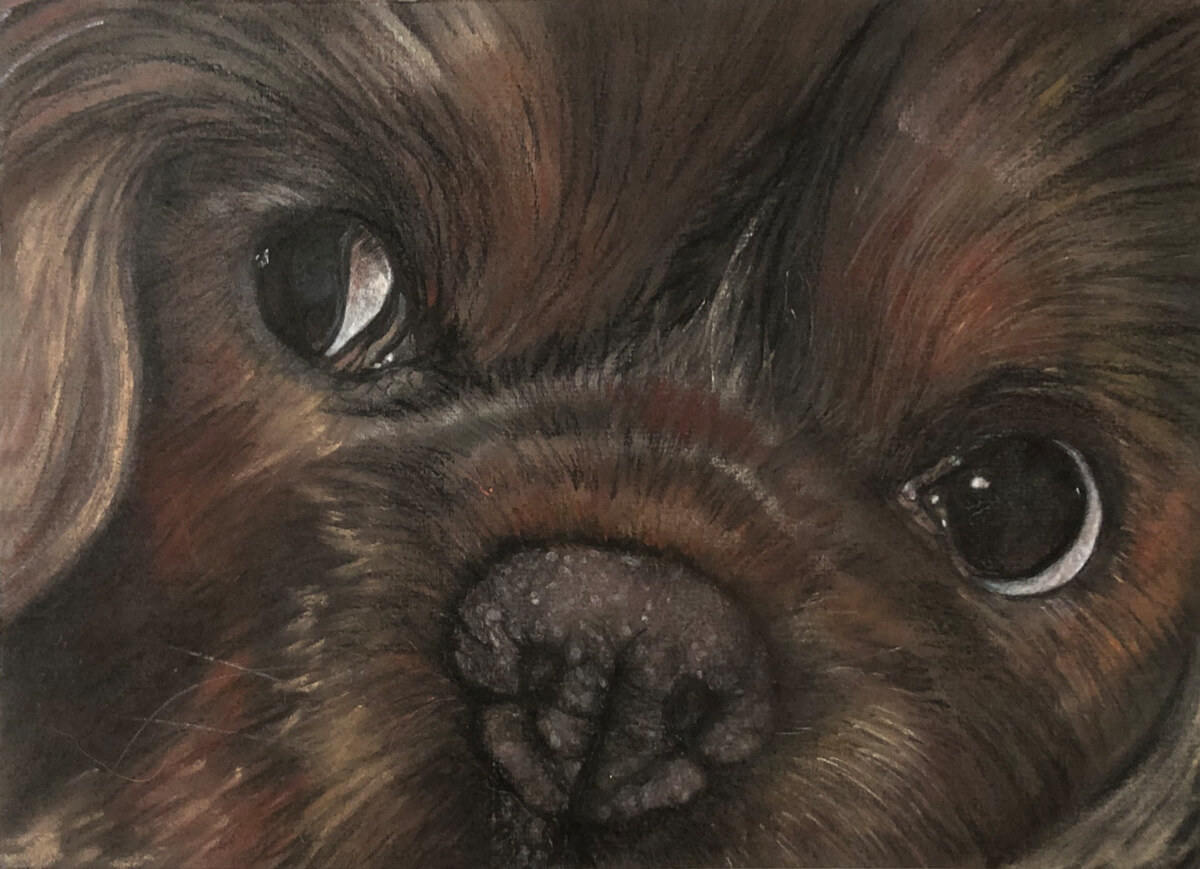
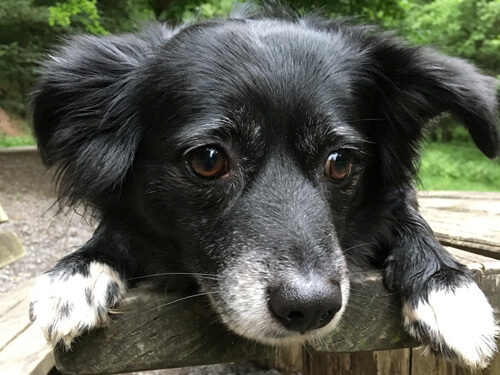
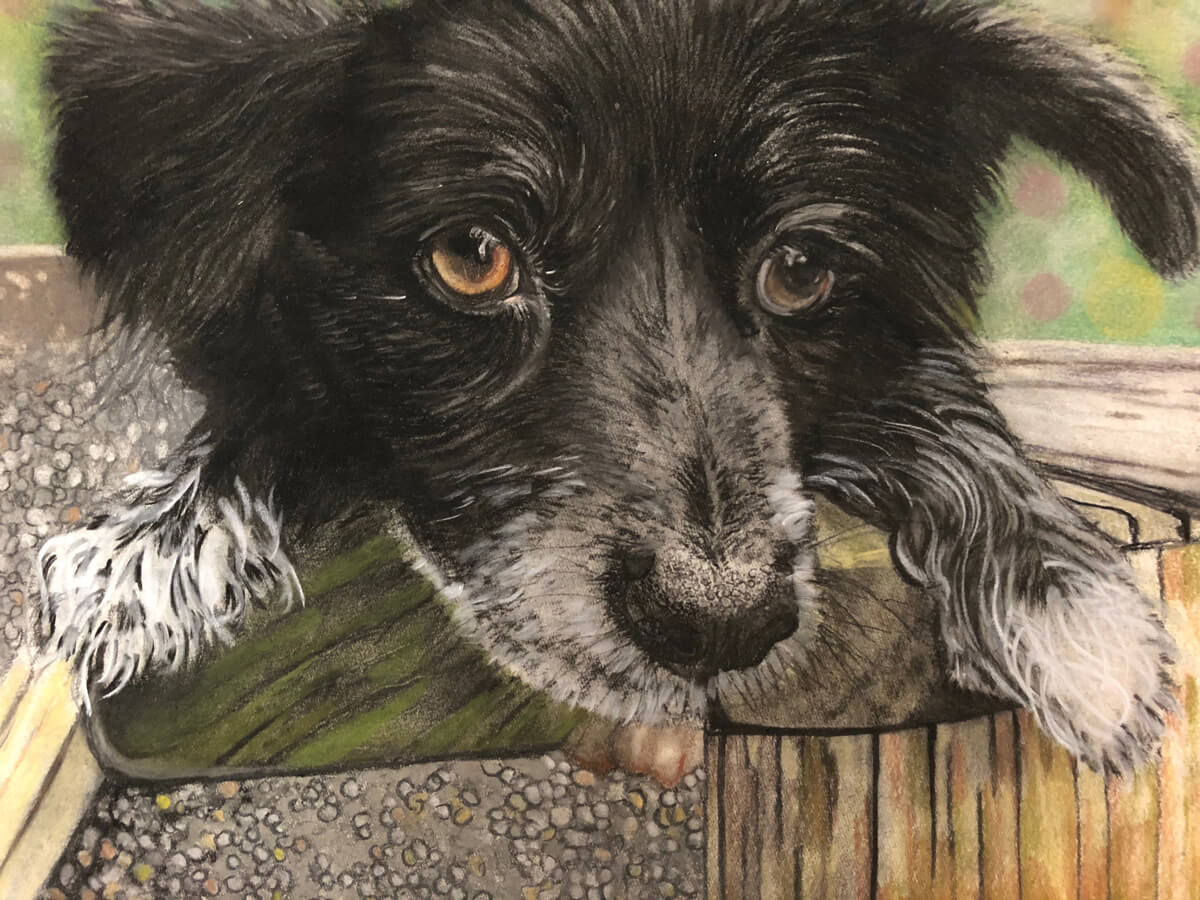
Tips and Help
I’d like to share a few tips below to help you take a successful, well-lit, and detailed photo. Photoshootings, especially with animals, can be a real challenge. If the lighting conditions are good, the horse isn’t in the mood, holds its head gracefully and at the right angle to the camera, the shutter doesn’t work, if the shutter works, the animal makes an abrupt movement because a horsefly is sitting on its belly, the list of possible problems is long.
Before the Shoot
Take yor Time
Take your time and think about a nice setting for your photo shoot. This could be a favorite spot, but it doesn’t have to be. A successful, well-proportioned shot against a neutral background is more suitable than a photo taken in a spectacular forest clearing with diffused light and a distracted, fidgety dog or horse.
Find a suitable location
Visit the location alone before the shoot and choose a suitable spot. Observe the lighting conditions carefully and time the shoot so that the light source isn’t shining into the camera from behind your subject.
Pay attention to the background
Pay attention to the background against which you position your animal. If it’s too detailed, it will distract attention from your animal and the overall image will become cluttered.
Details
Consider beforehand whether you want to photograph your pet with a collar, leash, or halter. I draw every little detail, and the accessories can certainly make the shoot easier. Make sure the accessories are nice, clean, and well-maintained. Who wants a mud-caked dog harness or a rancid stable halter on their “once-in-a-lifetime” painting?
Bring help
Organize someone to help you on the day of the shoot. For pet shoots, it’s best to have someone who has a good relationship with your four-legged friend.
The Shoot
Test Shots
Check the lighting conditions and take a few test shots of the location where you’ll be positioning your animal. Once the shots are clear and every detail is in focus, you’re ready to begin.
Pay attention to the light source
Again: Never position yourself or your pet against the light source.
Camera Position
Pay attention to eye level when positioning your camera. For smaller animals or a head portrait of a horse grazing, you’ll need to crouch down, sometimes even lie prone.
The more photos, the better
Take as many shots as possible. Animals are constantly moving, and the more images you take, the greater the likelihood of capturing the perfect moment in calm and clarity.
Pay attention to the cropping
Ensure that your animal is fully captured. Even the most beautiful pose won’t help if the ears, or in full-body shots, the extremities, are cut off.
Details
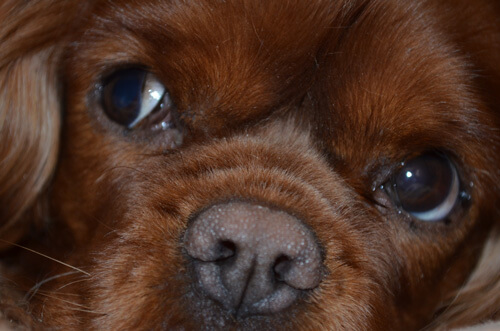
Clearly recognizable details are crucial, adding vibrancy to your photograph and the resulting artwork. The play of colors in the iris of an eye, the highlights on a dog’s nose, the notches in a horse’s mouth, whiskers, and skin tags – all of these make your animal unique.
Reviewing the Materials
Go into Detail
Ideally, you’ll have a computer with a large screen. Your photo may look perfectly fine on a phone or tablet, but things will look completely different on a 15-17 inch monitor. You can discard any image files that are blurry or out of focus during the initial review.
No cut-off body parts
Check the remaining images for completeness. Discard any images where body parts are not fully visible.
Go into more detail
Now it’s time for the finer details. In the remaining images, pay attention to the recognizability of the aforementioned details of the skin, eyes, fur grain, whiskers, beards, claws, beaks, etc.
The result
Typically, only three to five usable images remain from a successful shoot with over 100 shots. Don’t be frustrated; this is completely normal. If your horse has a particularly beautiful head position in a full-body shot, a good image quality can also be used to create a head portrait.
What if…
I am able to edit images to bring out the best in a favorite photo of poor quality. It’s always worth a try if the shot is particularly important to you, or if your pet has passed away and a photo shoot is no longer possible. In this case, please email me and attach the images. For memorial work for a deceased pet, I will do my utmost to help the owner create a unique memory of their faithful companion. For complex image editing, I charge an hourly rate of €80.